Women and Diabetes: Emotional Impact Across Life Stages
Rita Forde, Angus Forbes, Dawn Adams, Aycan Celik Esmer, Emma Davidsen, Maartje de Wit, Michelle Hadjiconstantinou, Rahab Hashim, Ana Munda, Giesje Nefs, Hermelinda C. Pedrosa, Anita Sabidi and Judith Parsons
Women living with diabetes: Overlooked and under-recognised, the psychosocial impact. Diabet Med. 2026 Sep;43(9):e70389.
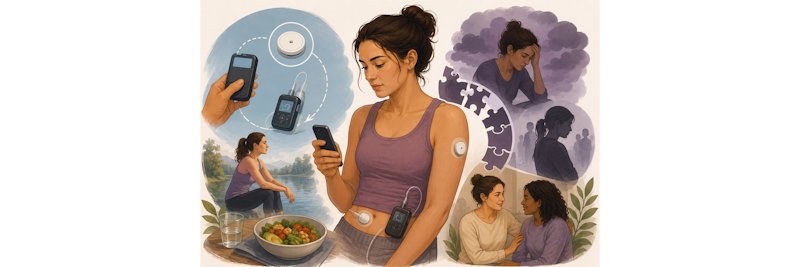
Living with diabetes involves more than managing glucose levels. For women, hormonal changes and reproductive health can introduce additional challenges that affect both diabetes management and emotional well-being. Yet these experiences often receive limited attention in diabetes research and routine clinical care. In this narrative review, Forde and colleagues examine the psychosocial impact of diabetes across four areas of women's health: menstruation, pregnancy, menopause and sexual functioning. Drawing on existing research, they identify recurring challenges and gaps in care for women with type 1 diabetes (T1D), type 2 diabetes (T2D) and gestational diabetes (GDM).
Key findings:
- Menstruation can increase the burden of diabetes management: Hormonal fluctuations may affect insulin sensitivity and glucose levels, requiring women to adjust their management strategies throughout the menstrual cycle. Unpredictable glucose changes can lead to frustration, anxiety and a sense of losing control. Many women report receiving insufficient guidance from healthcare professionals about these changes.
- Pregnancy brings significant emotional challenges: Women with T1D, T2D and GDM may experience heightened anxiety, diabetes distress, guilt and stigma. Concerns about their own health and their baby's well-being can add to the demands of intensive glucose management. Despite these challenges, psychosocial needs are often insufficiently addressed in pregnancy care.
- Menopause is another under-recognised period of vulnerability: Hormonal changes can increase glucose variability and make previously effective diabetes management strategies less predictable. Women may experience additional cognitive and emotional strain, while menopausal symptoms can be difficult to distinguish from symptoms of hypoglycaemia. The review also highlights the importance of cardiovascular health during this life stage.
- Sexual health deserves greater attention: Sexual dysfunction is common among women with diabetes and can affect quality of life, body image and intimate relationships. Both physical and psychosocial factors play a role, including diabetes complications, depression, anxiety and diabetes distress. Nevertheless, sexual health is rarely discussed proactively in clinical consultations.
- Gaps in research and clinical care persist across all life stages: The review identifies a need for more women-centred research, better psychosocial screening and clinical guidance that reflects women's lived experiences. Its overview table on page 4 shows that limited guidance, insufficient intervention research and the absence of established care pathways recur across menstruation, pregnancy, menopause and sexual health.
The review highlights the need to look beyond glucose outcomes and recognise how hormonal changes, reproductive health and sexual well-being affect women’s daily lives. The authors call for more women-centred research and person-centred diabetes care that addresses psychosocial needs at every life stage.
Concluding, the authors state
“Future research and clinical practice must move beyond glycaemic outcomes alone to ensure that women's emotional and psychosocial needs are systematically identified and addressed.”
Please click here for the full text.